
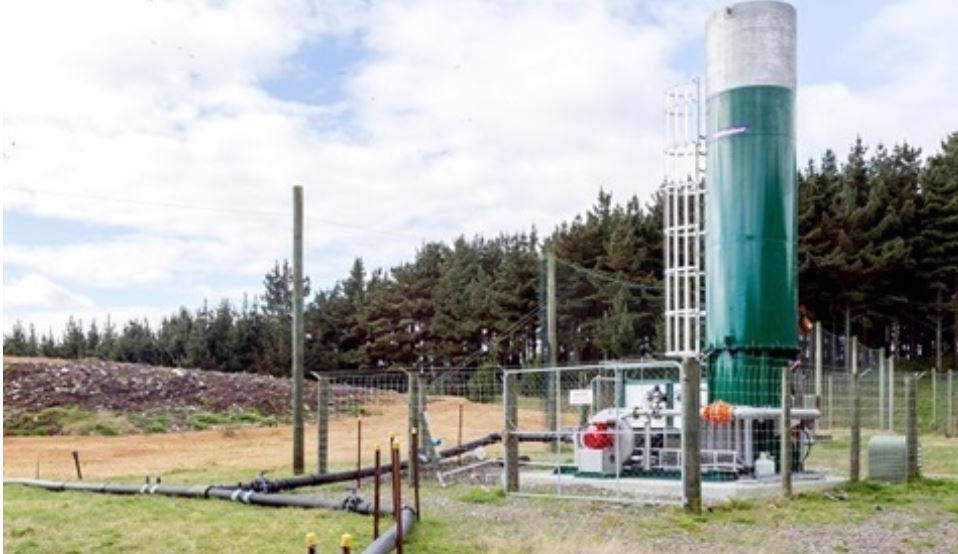







Horowhenua District Council is taking a more targeted and evidence-led approach to managing the closed Levin landfill, following an independent technical review and a workshop with elected members on Wednesday 17 December.
The independent review by Tonkin and Taylor assessed the main remediation options previously considered and found that some are unlikely to deliver the best environmental outcomes.
The review found that capping the sides of the old landfill would be costly, with a very rough estimate of between $700,000 and $1 million, and is likely to have limited environmental benefit given the age and condition of the closed landfill. It also found that installing a 200 metre groundwater extraction trench is not feasible, as it would require dewatering wetlands and treating extracted groundwater, and could create new environmental risks without clear evidence of benefit.
Instead, the review points to other interventions that are more likely to be effective. These include improving how the neighbouring wetland functions, looking closely at how nearby drains interact with groundwater and the Hōkio Stream, and strengthening monitoring so Council can better understand what is happening and respond early if conditions change.
Importantly, the review confirms that recent surface water monitoring has not shown unsafe levels of ammoniacal nitrogen in the Hōkio Stream, and an ecological assessment found no evidence of current harm to stream life at the time of survey. However, it also makes clear that the current monitoring network needs to be improved to better understand how groundwater, wetlands, drains and stream flows interact across the site.
Council’s immediate focus is on action. This includes putting an enhanced monitoring framework in place to provide better, more frequent information and allow changes to be detected early. This approach means Council is actively managing risk and will be ready to move quickly if indicators show that intervention is needed.
Following the workshop on Wednesday 17 December which included an independent technical advisor who spoke to the Tonkin and Taylor findings, Council will move to implement the updated monitoring framework and consider options for next steps. Alongside enhanced monitoring, Council is progressing practical environmental work. This will include working with iwi partners, the Neighbour Liaison Group (NLG) and Project Management Group (PMG) to explore wetland enhancement and potential drain modifications on adjacent land recently purchased by Council.
These options are aimed at strengthening natural buffering, managing risk, and protecting the Hōkio Stream over the long term.
Chief Executive Monique Davidson acknowledges that this is a long running and deeply felt issue for many in our community, particularly local Iwi and those who call Hōkio home. Mrs Davidson says, “Regardless of what the data shows at any point in time, Council recognises the concern and maemae that many people carry and remains committed to being open, careful and guided by expert advice.”
Mrs Davidson continues “Ratepayers rightly expect that when Council invests in solutions, those investments deliver real outcomes. By focusing on enhanced monitoring and interventions that are more likely to work, Council is ensuring decisions are based on solid evidence and that resources are directed where they will make the most difference.”